Becoming a New Version of Yourself Without Guilt
Why outgrowing a version of yourself sometimes means outgrowing people.
There comes a point in your life where you realise, you’re changing. Not in a dramatic, announce-it-on-social-media way, but in a quiet, steady, undeniable way. Your habits shift. Your priorities move. Your tolerance drops. Your self-respect rises. And before you even fully clock what’s happening, you start losing people.
When it comes to outgrowing people, believe me when I say, some of them will surprise you.
Not the distant ones. Not the surface-level connections. But the people you thought would always be there. The ones you believed were part of your foundation. And that’s the bit no one really prepares you for. The fact that becoming the best version of yourself doesn’t just add things to your life, it also removes them.
For a long time, I thought growth was meant to feel empowering from start to finish. Like you level up and everyone claps. That’s not how it works. Sometimes growth feels like grief. Sometimes it feels like mourning a version of yourself that no longer exists, along with the relationships that didn’t survive.
I’ve made a considerable amount of changes to my life over the last few years and I’ve realised that the old version of me was easier to have around for those who wanted her for selfish reasons.
She was more available. More accommodating. She didn’t challenge behaviour. She didn’t ask for effort, accountability, or emotional maturity. She could be picked up and put down whenever it suited someone else. And for a long time, I thought that made me a good friend. A loyal person. Someone worth keeping. But I was actually more of a convenience.
The old me was also easy to feel good around. Easy to help. Easy to position yourself as the stable one, the wise one, the fixer. My struggles gave people a role in my life, and that role gave them purpose. I didn’t realise it at the time, but to some people, I wasn’t just a friend, I was a project. I’ll never forget the first time someone explained this to me—it was eye opening.
When I changed, when my life became calmer, healthier, and more intentional, I didn’t hear outright criticism. No one said, “I don’t like who you’re becoming.” In fact, most people were positive on the surface. But growth doesn’t always clash loudly. Sometimes it just quietly stops fitting.
The person I became no longer suited certain lifestyles. My goals shifted. What I wanted from life changed. And while I was moving toward stability, independence, and peace, not everyone wanted to come with me because where I was going didn’t align with where they wanted to stay.
When that chaos disappeared, when I no longer needed rescuing or fixing, there was nothing left for some people to attach themselves to. And without that role, they quietly backed away. Others drifted for different reasons. I had been the go-to person for a long time, always available, always there, always showing up. I thought that was mutual. But when the dynamic shifted, when I no longer fitted the version of me they were connected to, the connection didn’t survive. Not because of conflict, but because the foundation was never as balanced as I believed.
Messages slowed. Effort faded. I was treated differently, and for a long time, I accepted it and made excuses for it because it’s easier to question yourself than to accept that some connections only exist under specific conditions.
Until I realised something important: people who genuinely support your growth don’t disappear when your life becomes healthier, calmer, or less chaotic.
And once I became aware of that dynamic, I couldn’t unsee it.
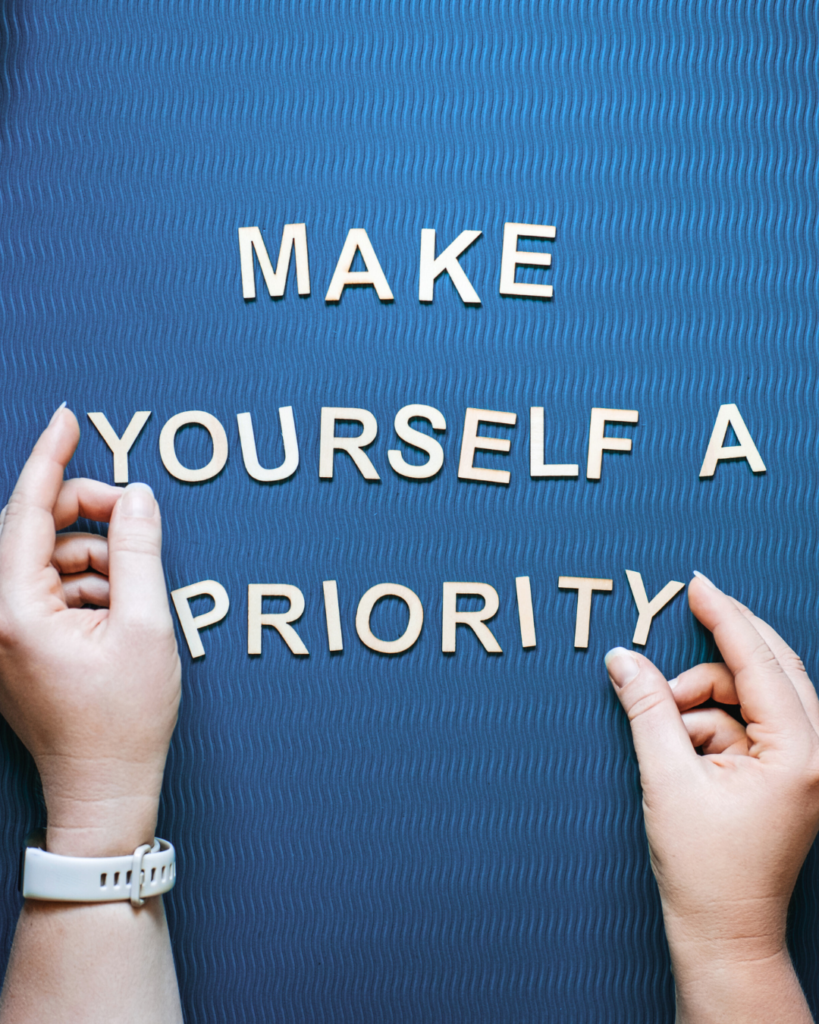
Here’s something that needs saying clearly: intentional change is not a bad thing. You don’t overhaul your habits, mindset, or lifestyle for no reason. You do it because those changes benefit your life. That isn’t selfish. That’s self-respect.
We don’t grow by staying where we are. We change because we want more peace, more health, and more fulfilment, and there is nothing wrong with choosing better for yourself, even when it makes other people uncomfortable.
Awareness Changes Everything
Here’s the hard truth: not everyone wants to see you win. Not everyone benefits from your healing. And not everyone is capable of meeting the version of you that no longer shrinks to be loved.
That doesn’t make them bad people. But it does mean they’re not your people.
There is grief in that realisation. Real grief. Because it’s not just about losing them, it’s about losing what you thought you had. The closeness. The shared history. The idea that some people would grow with you. And sometimes, even when you’ve accepted it, you still miss it. You still feel sad that it couldn’t be different.
But missing something doesn’t mean you should go back to it.
I know now that I’m never going to be the old version of me again and I don’t want to be. That version kept me connected to people who only knew how to relate to me when I fit their narrative. Letting her go cost me relationships I thought were forever. And yes, that hurt. A lot.
But it also gave me myself.
If you’re reading this and you’re in the middle of that shift, noticing distance, feeling the loss, wondering if you’re the problem, hear this clearly:
There is nothing wrong with wanting better for yourself. Nothing wrong with wanting to be happier, healthier, calmer, more fulfilled. Nothing wrong with choosing growth, even when it comes at a cost.
You are not guilty for evolving.
Sometimes guilt shows up not because you’ve done something wrong, but because you’re doing something unfamiliar. Especially if the people around you benefited from the old version of you. When you stop over giving, stop explaining yourself, stop tolerating disrespect, the dynamic changes, and not everyone can handle that. And that’s okay.
Real examples of others outgrowing people because of positive change
I’ve spoken to a lot of people who’ve experienced this in different ways. One of them stopped drinking to benefit his health because he knew he was drinking too much. What happened? He reaped the benefits in his personal life, but his friends spoke to him less, stopped inviting him out, and ultimately treated him differently. This is absolutely ludicrous. And like I said to him: it’s a really painful thing to go through, but it also shows you that these people are not your friends. At all.
And from my point of view — I’ve been there myself. People can be incredibly narrow minded about it. Some act like not drinking makes you an alien and they drastically change how they treat you. Guess what? Those people aren’t my people now either.
Another example is someone whose life changed when they had a child. Suddenly the invites stopped. The check-ins dried up. The effort disappeared. Until, of course, people wanted access to the calm, stable life she had created — then the interest magically returned.
Different situations, same pattern. When your life changes in a way that no longer suits other people’s expectations, needs, or lifestyles, some of them will step back. Not because you’ve done something wrong, but because the connection was conditional.
Outgrowing people doesn’t mean you hate them.
It doesn’t mean you wish them harm. It just means they no longer belong in the life you’re building. I don’t centre those people in my life anymore. I think about them occasionally, sure (mostly with sadness for what was) but they don’t get access to who I am now.
The people who are meant for you won’t want the broken version. They won’t need you to be smaller, quieter, or easier to manage. They’ll meet you where you are, challenge you in the right ways, and want to grow alongside you, not hold you back so they can stay comfortable.
If you’re afraid to change because you know you might lose people, let this be your permission slip: That loss is not failure. It’s alignment.
You deserve a life that reflects who you are now, not who you had to be to survive.
And if becoming the best version of yourself means leaving some people behind, then as painful as it is, it’s still worth it. Every single time. Outgrowing people isn’t a failure. It’s proof that you’re listening to yourself. And that will always be worth it.
You can keep up to date with Direct Pulse blogs by following on the socials below, and you can also make blog requests by filling in the contact form or messaging on Facebook or Instagram.